When purchasing a vehicle, many buyers face the critical decision of considering age vs mileage. Why is age vs mileage important? According to industry surveys, nearly 70% of car buyers prioritize mileage over age. A lower mileage often signals less wear and tear, which can translate to longevity and reliability. However, older vehicles can sometimes be more valuable if they have been well maintained.
Data from automotive reports suggests that vehicles aged 5-7 years with moderate mileage can offer the best balance of price and condition. These vehicles are often less expensive than new models and might still have modern features. Yet, buyers should not overlook the potential benefits of age. For instance, older cars may have proven reliability records. This creates an opportunity for buyers to rethink their criteria.
While mileage is crucial, the vehicle's history and maintenance records are equally significant. Buyers should seek comprehensive service records to assess any previous issues. It is important to acknowledge that the relationship between age and mileage isn't straightforward. Sometimes, a well-maintained older vehicle can prove more reliable than a newer model that hasn't received proper care. Understanding this dynamic can help buyers make informed decisions.
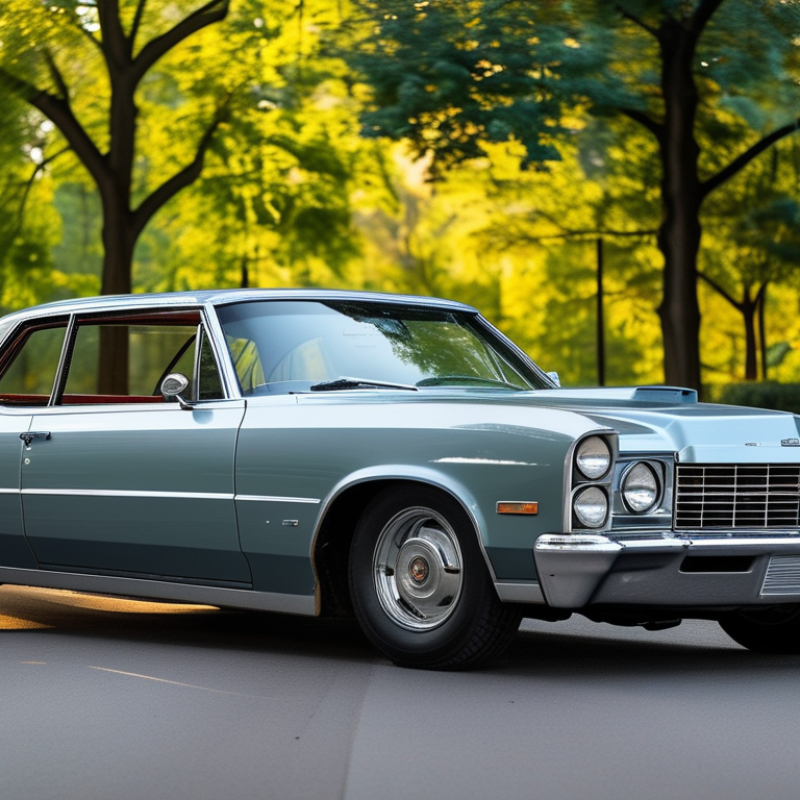
Age of a Vehicle: Why It Matters for Buyers
The age of a vehicle plays a crucial role in the decision-making process for buyers. Research shows that older vehicles can bring hidden costs. According to a recent industry report, vehicles aged 10 years and older incur maintenance expenses that are 80% higher compared to newer models. This stark contrast highlights the potential financial burden of purchasing an older vehicle.
Additionally, safety features are more prevalent in newer cars. For instance, over 70% of vehicles produced in the last five years come equipped with advanced safety systems. In contrast, many older models lack essential technology like automatic braking or lane-keeping assist. Buyers often need to weigh these safety benefits against the initial cost of a newer vehicle.
Buyers might romanticize older cars. However, these vehicles can present maintenance challenges. Data indicates that 30% of vehicles more than 15 years old break down at least once a year. This reality can turn a supposed bargain into a significant headache. It's essential for potential buyers to carefully consider the trade-offs between age and reliability. An informed choice often leads to a more satisfying ownership experience.
Understanding Mileage: The Hidden Cost of Usage
When evaluating a used vehicle, mileage often tells a more revealing story than age. The number on the odometer reflects the vehicle's history and its potential longevity. A car with higher mileage may have experienced more wear and tear, risking costly repairs in the future. Conversely, a low-mileage vehicle can seem appealing, but it may not always be the best choice. A car that was seldom driven could have issues from lack of use. Oils can break down, and seals can dry out.
Buyers should understand that mileage impacts not just the car's current condition but its value. Higher mileage usually means lower resale value. However, maintenance records play a key role. A well-maintained high-mileage vehicle might outperform a low-mileage car with a sketchy history. Look for signs of regular oil changes and services. These records improve reliability and restore confidence.
Recognizing mileage as a hidden cost of usage is crucial. Each mile adds to wear but also tells a story. A meticulous owner may have taken precautions. But, a car with signs of neglect, regardless of mileage, could be a risky investment. Always balance mileage with overall condition and service history for a wise purchase decision.
Balancing Age and Mileage: Finding the Right Vehicle
When considering the purchase of a used vehicle, age and mileage are two critical factors for buyers. According to industry reports, vehicles under five years old tend to have fewer maintenance issues. However, mileage plays a significant role in vehicle longevity and reliability. A car with low mileage can often outperform an older car, regardless of its age. This is because engine wear typically accumulates with each mile driven.
It's important to view both age and mileage in context. A well-maintained, high-mileage vehicle can be a better choice than an older car with low mileage. For instance, vehicles that have been regularly serviced show better performance metrics. A study found that cars with over 100,000 miles, if maintained properly, can have a prolonged life span compared to those neglected even at lower mileages.
Purchasers should also consider their specific needs when evaluating these factors. A daily commuter may prioritize reliability over a car's age. Conversely, those seeking a vintage model for collectibility may focus more on age. Realistically, there is no one-size-fits-all solution. Buyers must weigh the risks and rewards of each option carefully.
Impact of Age and Mileage on Resale Value
When it comes to the resale value of vehicles, both age and mileage play crucial roles. Typically, older cars tend to lose value more rapidly. However, a low-mileage vehicle can maintain a higher value even if it is a few years older. Buyers often assess these factors closely to determine what they are willing to pay.
Tips: Keep a detailed maintenance record. This can enhance resale value substantially.
On the other hand, mileage affects a car's condition and performance. Cars with higher mileage might incur more maintenance costs. Buyers often perceive them as riskier investments. However, well-maintained higher-mileage cars can still attract interest if their history is transparent.
Tips: Consider getting a vehicle history report. It provides insights that can ease buyer concerns.
In essence, understanding how age and mileage interact can empower buyers to make informed decisions. Balancing these factors may lead to finding a vehicle that offers both reliability and value in the long run.
Tips for Buyers: Evaluating Age and Mileage Effectively
When buying a used vehicle, age and mileage are crucial factors. Each can tell a different story about the car's condition and reliability. A vehicle aged a few years with low mileage might seem ideal but requires careful evaluation. On the other hand, an older car with higher mileage may still run well if maintained.
Tips for Buyers: When assessing age, consider how the car was used and maintained. Ask for service records. Older cars could be more prone to wear but may also offer reliable engineering. Evaluate the mileage as a reflection of its usage patterns. A car driven mostly on highways tends to be in better shape than one used in city traffic.
Start your inspection with visible signs of wear. Check for rust, dents, and interior condition. Pay attention to the engine and brake systems. These details often reveal the true state of the vehicle. Trust your instincts; if something feels off, dig deeper. It’s better to walk away than to regret a hasty decision later.
FAQS
: Age affects maintenance costs. Older vehicles incur maintenance expenses that are significantly higher compared to newer ones.
Many older models lack modern safety features like automatic braking and lane-keeping assist found in newer cars.
Yes, vehicles aged 10 years or older can have maintenance costs that are 80% higher than newer vehicles.
Absolutely. Low-mileage cars typically maintain higher resale values, even if they are older.
Keeping a detailed maintenance record can significantly enhance a vehicle's resale value.
Yes, they provide insights on maintenance and help ease buyer concerns about higher-mileage cars.
It depends. They can have hidden costs and frequent breakdowns, turning what seems like a bargain into a headache.
About 30% of vehicles more than 15 years old break down at least once a year.
Understanding how age and mileage affect value can help buyers find reliable vehicles that still offer good value.
Not necessarily. Older cars can be charming, but potential buyers must weigh reliability and maintenance costs carefully.
Conclusion
When considering a vehicle purchase, understanding the question "Why is age vs mileage important" is crucial for buyers. The age of a vehicle can indicate its condition and potential reliability, while mileage reveals how much wear and tear it has experienced. Buyers must balance these two factors to find a suitable vehicle that meets their needs without incurring hidden costs associated with excessive usage.
Additionally, both age and mileage significantly impact a vehicle's resale value. A well-maintained older vehicle with lower mileage may retain value better than a newer car with high mileage. Buyers should evaluate both age and mileage effectively, taking into account how these aspects will influence their ownership experience and future resale opportunities. Understanding these dynamics helps ensure a more informed and satisfying purchasing decision.

 Pixy Car