The secondary luxury vehicle market is projected to grow at a CAGR of 7.5% through 2030, driven by digital transparency and global logistics.
Technological advancements in AI-driven vehicle inspection ensure that every used car meets factory-equivalent safety protocols.
Extending the lifecycle of a luxury car reduces the carbon footprint associated with new vehicle manufacturing, aligning with ESG goals.
Nationally certified surveyors ensure every engine, battery, and chassis meets the highest luxury benchmarks.
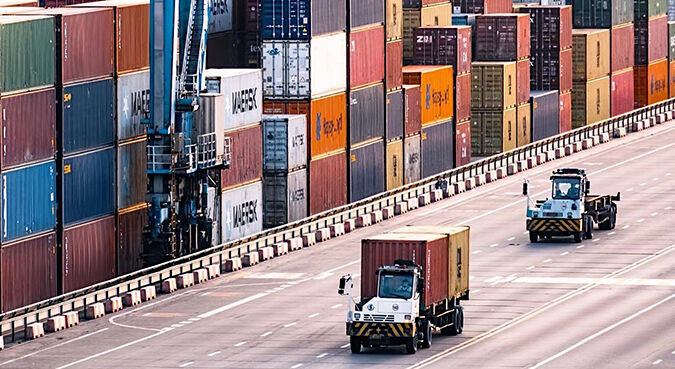
Strategic locations at major ports ensure rapid shipping to Central Asia, the Middle East, Southeast Asia, and beyond.
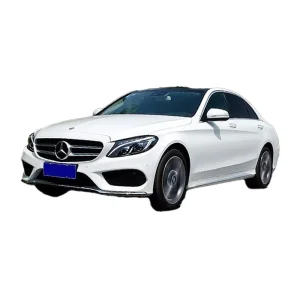
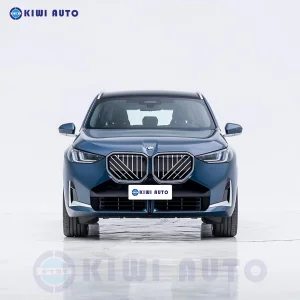
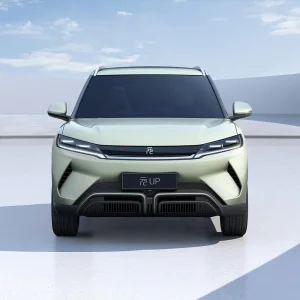
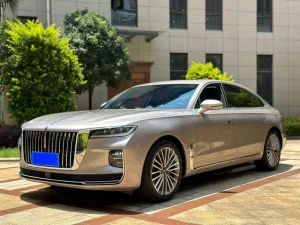
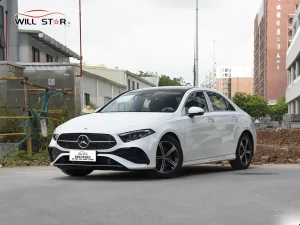
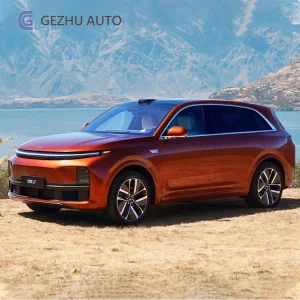
From traditional German engineering (Mercedes, BMW) to Chinese luxury innovation (Hongqi, BYD, Li Auto).

• Corporate Fleets: Uniform, high-status sedans for executive mobility.
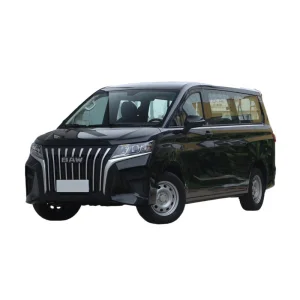
• Tourism & Hospitality: 7-seater luxury vans like the BAW M7 MPV for premium guest experiences.
• Individual Connoisseurs: Sourcing rare specifications of high-performance models like the Hongqi H9.
 Pixy Car