When considering used cars, the process can feel overwhelming. Knowing how to inspect a used car before buying is crucial. Expert and automotive consultant James Morgan emphasizes, "A thorough inspection can save you from costly mistakes." This advice resonates deeply with potential buyers.
There are many factors to check. Look for rust, dents, and condition of tires. Pay attention to how the car smells and sounds during a test drive. However, it is easy to overlook important details in the excitement of a potential purchase. Being diligent can uncover hidden issues. Many buyers wish they had taken their time to inspect thoroughly.
Moreover, use a checklist during your inspection. This can help ensure you’re not missing anything vital. It's a common mistake to assume that a vehicle looks good on the surface. Remember, investing time upfront can lead to a wiser decision later. Inspecting a used car isn't just about looks; it’s about ensuring your investment is sound.
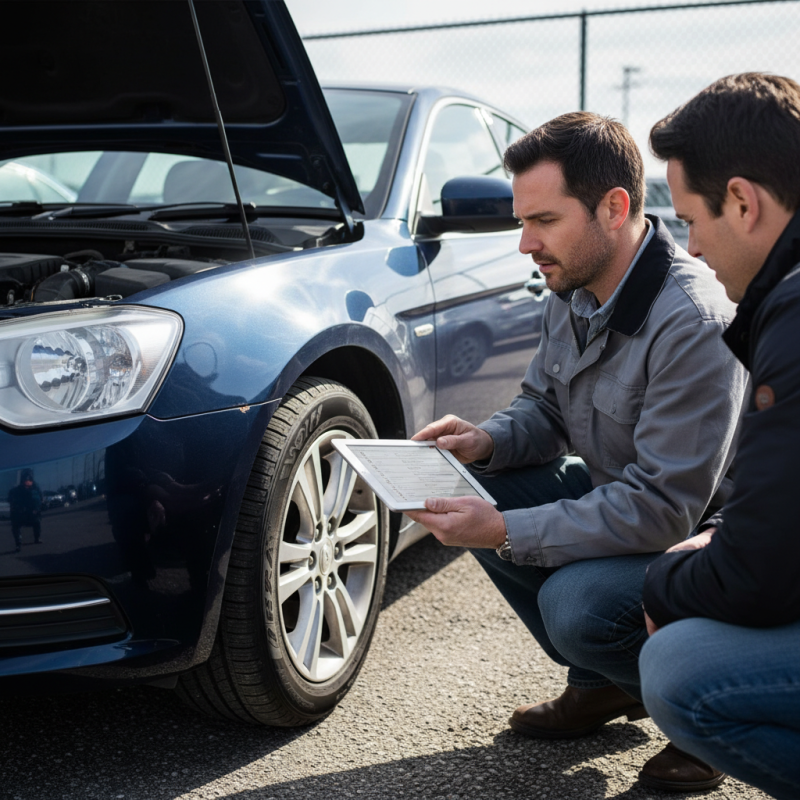
When inspecting a used car, there are vital factors to consider. Start with the vehicle’s history. According to the National Highway Traffic Safety Administration (NHTSA), nearly 25% of used cars may have hidden issues. Check for any reported accidents or title discrepancies. Use a reliable vehicle history report to uncover potential red flags. Knowing the car's past can save you from future headaches.
Next, assess the car's condition. Look for signs of wear and tear on the exterior and interior. Inspect the tires for tread depth, as worn tires can indicate neglect. A study by the American Automobile Association (AAA) found that 1 in 5 used cars has undisclosed damage. Test all electrical components and listen for unusual engine noises during your drive. These details may reveal underlying problems that aren't immediately visible.
Finally, consider the mechanical aspects. Hire a trusted mechanic to conduct a pre-purchase inspection. Many buyers skip this crucial step, but it can be a game changer. According to industry experts, a thorough inspection can identify issues that cost thousands to repair. Taking time for a complete evaluation can lead to a better investment in the long run. Missing these checks can result in costly regrets.
When inspecting a used car, having the right tools can make all the difference. A reliable flashlight helps you check those hard-to-reach areas. Look for rust or damage under the hood. A comprehensive checklist is essential. Many experts recommend a 150-point inspection. This includes examining the vehicle's history report, tire condition, and fluid levels.
One effective tip is to bring a magnet. This simple tool can detect body filler, indicating previous damage. Many cars hit the market with hidden issues. Almost 25% of used cars have undisclosed problems, as reported by the Auto Industry Association. Use a leveling tool to ensure that the car sits evenly. An uneven stance could indicate frame damage.
Don’t forget about the test drive. Listen for unusual sounds. Feel for vibrations. Check how the brakes respond. These can reveal much about the car’s condition. A survey found that 70% of buyers ignore this crucial step. It is vital to approach your inspection with curiosity and a critical eye.
| Inspection Area | Essential Tools | Tips |
|---|---|---|
| Exterior Condition | Paint Thickness Gauge | Look for mismatched paint and rust spots. |
| Tires | Tire Depth Gauge | Check for even tire wear and adequate tread depth. |
| Engine | OBD-II Scanner | Scan for any error codes and check for leaks. |
| Interior Condition | Flashlight | Inspect for stains, wear on seats, and functioning electronics. |
| Undercarriage | Jack and Jack Stands | Look for signs of rust and damage to components. |
| Test Drive | Notepad | Take notes on engine performance, brakes, and handling. |
When inspecting a used car, pay close attention to its exterior first. Examine the paint for any scratches or dents. A mismatched paint color may indicate previous accidents. Check the tires for wear. Uneven wear might suggest alignment issues. Look for rust around the wheel wells and under the car. Rust can lead to serious problems later.
Moving to the interior, inspect the seats for wear and tear. Look for any stains or unusual odors. Open and close all doors, windows, and the trunk. Ensure they function smoothly. Turn on the lights and check the dashboard for warning lights. Be aware of sounds when starting the engine. Odd noises could be a red flag.
Don’t skip the test drive. This is where hidden issues often reveal themselves. Listen for unusual noises during acceleration or braking. Evaluate the shifting of gears, and check the brakes for responsiveness. If you feel hesitation or grinding, think twice. Each detail can provide insight into the vehicle’s true condition.
A test drive is a crucial part of inspecting a used car. It offers a genuine feel for the vehicle's performance. The sound of the engine, the responsiveness of the brakes, and the smoothness of the ride are all things you can gauge. During a test drive, pay attention to how the car accelerates and shifts gears. Notice if the steering feels loose or tight. Any odd noises can be red flags.
Take the car on different types of roads. This helps reveal how it handles various conditions. Drive on highways to check for stability and noise levels. Don’t forget to test the brakes in a safe area. A sudden stop can indicate brake issues. Feel free to push the car a little, but don’t overdo it.
You might find yourself focused on features and gadgets. They are nice, but prioritize the driving experience. The car should feel right for you. Any discomfort during the drive could mean it's not the right fit. Reflect on how you feel after the test. Is it love at first drive, or does something feel off? Trust your instincts; they often tell the truth.
When considering a used car, reviewing the maintenance history is crucial. Most experts recommend checking records that span the last five years. A well-maintained vehicle typically retains value. According to a recent industry report, cars that receive regular oil changes, tire rotations, and brake inspections can reduce repair costs by up to 30% over time. Noticing patterns in maintenance can signal promise or problems.
The vehicle history report serves as a vital tool. This report reveals past accidents, title issues, and mileage discrepancies. A staggering 20% of vehicles have open safety recalls, which may go unnoticed without proper checks. It’s alarming to think that a car could have been in a severe accident without the buyer's knowledge. Delving into these details is not just about avoiding missteps; it’s about ensuring safety. Even with reports in hand, look for mismatches. An underestimated accident history could lead you into a potential nightmare. Therefore, thorough scrutiny is non-negotiable.
: Start by reviewing the vehicle’s history. Look for accidents and title issues.
It reveals hidden problems. Nearly 25% of used cars have undisclosed issues.
Check for scratches, dents, and rust. Pay attention to tire wear.
Worn tires suggest neglect. Uneven wear may point to alignment problems.
Check seats for wear, stains, and odors. Ensure doors and windows work smoothly.
It uncovers hidden issues. Listen for odd noises during acceleration and braking.
Yes, a pre-purchase inspection can identify expensive repairs early on.
You may face costly regrets. Missing checks can lead to unexpected problems.
Note them as red flags. Investigate further before making a purchase.
Take time to evaluate every detail carefully. Don't rush the process.
When considering how to inspect a used car before buying, it's crucial to focus on several key factors. Start by evaluating the car's exterior and interior, looking for signs of wear, damage, or poor repairs. Essential tools such as a flashlight and a tire gauge can aid in a thorough inspection. Additionally, understanding the car's maintenance history and reviewing its vehicle history report will provide insight into its condition and previous ownership.
A test drive is also an indispensable part of the inspection process, allowing you to assess the car's performance and comfort. By following this step-by-step guide, potential buyers can make informed decisions, ensuring they choose a reliable used car that meets their needs.

Pixy Car