Financing a used car can seem daunting. Many buyers feel overwhelmed by their options. It's crucial to understand how to finance a used car properly. This knowledge can save you money and stress.
Start by researching your financing options. Various lenders offer different rates and terms. Compare these to find the best fit for your budget. Don’t ignore your credit score. A good score can significantly lower your interest rates. Yet, not everyone has perfect credit. This situation requires careful planning.
Another factor to consider is the total cost. Monthly payments are important, but don’t forget the overall price. Extras like insurance and maintenance can add up. Reflect on your financial situation before making a commitment. Sometimes, it’s easy to overlook these details in the excitement of buying a car. Stay grounded and informed.
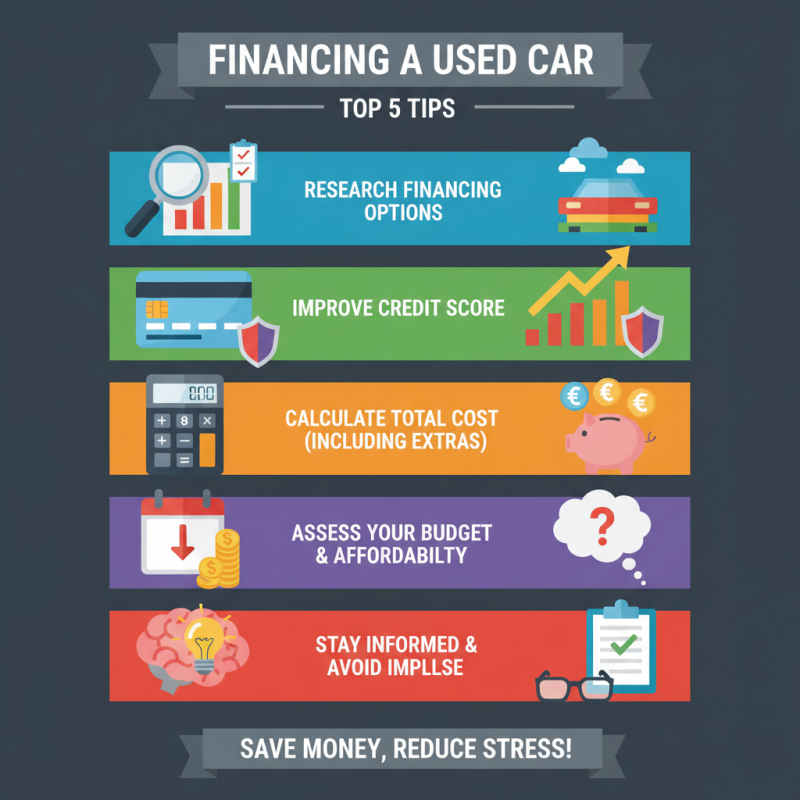
When evaluating your budget for a used car, it's important to understand the true costs. The purchase price is just one part. Think about insurance, maintenance, and fuel. These expenses can add up quickly. For example, a modestly priced used car may have high insurance rates. You might discover that your budget stretches thinner than expected.
Consider additional fees that can catch you off guard. Taxes and registration costs are often overlooked. Don't forget about routine maintenance. Oil changes, tire rotations, and brake replacements are necessary. Neglecting these can lead to bigger expenses later. It’s essential to set aside funds for these inevitable costs.
Sometimes, you might feel tempted to stretch your budget for a shiny model that catches your eye. This decision requires reflection. Will you regret overspending when the bills arrive? Ensure you incorporate a buffer into your budget for emergencies. This way, you remain financially secure and avoid stress. Balancing your desires with reality is not easy, but it's vital for lasting satisfaction with your purchase.
When considering financing options for a used car, understanding your credit score is crucial. A 2022 report from Experian revealed that the average interest rate for used car loans varies significantly based on credit scores. For consumers with excellent credit, rates can be as low as 3%, while those with poor credit may face rates exceeding 14%. This disparity demonstrates the importance of maintaining a good credit score before applying for a loan.
Research shows that roughly 30% of a credit score is influenced by credit utilization. Keeping credit card balances low can help boost your score. Moreover, recent data from the Federal Reserve indicates that over 60% of new car buyers do not fully understand how interest rates impact their loan. This lack of awareness can lead to paying thousands more over the loan term. It’s essential to take a proactive approach to understand how your credit history shapes your financing options.
Many buyers are often unaware of their credit report's impact. They sometimes overlook discrepancies that can diminish their score. A simple mistake could lead to higher monthly payments or rejection of a loan. Reviewing your credit report regularly is key. Addressing errors can be the difference between a favorable rate and financial strain.
| Tip | Description | Interest Rate (%) | Credit Score Range |
|---|---|---|---|
| Know Your Budget | Determine how much you can afford before shopping. | 5.0% | 300-579 |
| Research Interest Rates | Compare rates from banks, credit unions, and dealers. | 4.5% | 580-669 |
| Check Your Credit Score | Understand how your score impacts financing options. | 3.5% | 670-739 |
| Consider Loan Terms | Longer terms may lower monthly payments but increase total cost. | 6.0% | 740-799 |
| Negotiate Financing | Don’t hesitate to negotiate the terms offered. | 3.0% | 800+ |
When considering financing for a used car, understanding the differences between dealership financing and bank loans is crucial. Dealerships often offer convenience. You can get everything done in one place. However, this convenience comes with potential pitfalls. Interest rates might be higher than those from banks. Additionally, you may face pressure to purchase unnecessary add-ons. Always read the fine print.
Bank loans can provide competitive rates. They offer more flexibility in terms. Research is critical here. Not all banks have the same policies. Some may require a higher credit score. A bank typically allows you to choose your lender. This can lead to better financial options. But you may face longer wait times for approval. It might not be as quick as a dealership.
When financing a used car, consider a few tips. Check your credit score first. This will give you leverage in negotiations. Set a budget before you shop. Be realistic about what you can afford. Finally, explore multiple offers. Don’t settle for the first one. Sometimes, the best deal isn't the most obvious one.
Negotiating terms can significantly impact your experience when financing a used car. Start by researching the average interest rates for used cars in your area. This information can empower you when discussing your loan terms with lenders. Many buyers feel intimidated during this process. Yet, knowledge is power; use it wisely.
When you meet with a lender, consider making offers below the stated interest rate. Many lenders expect negotiation. Ask about any fees that may apply. These might not be clear upfront and can increase your monthly payments. Always clarify what each fee covers.
Stay open to different financing options. A shorter loan term might raise your monthly payments, but it will save you on interest. Assess your budget carefully. You may regret locking in a deal that feels too tight. Make it a point to keep communication lines open with lenders. Remember, it's about finding a balance that works for you.
When financing a used car, understanding total loan costs is crucial. Short-term financing often comes with higher monthly payments but saves money on interest. In contrast, long-term loans may seem affordable, but they can lead to paying much more in total. This can catch buyers off guard. It's essential to calculate the total interest paid over the life of the loan.
One tip is to assess your budget realistically. Can you afford those higher payments? Sometimes, people overestimate their comfort level, leading to financial strain. Look at your expenses and see what fits. Using a loan calculator can help visualize the long-term costs.
Another important factor is your credit score. A higher score usually results in better loan terms. Yet, many overlook this point. It's worth checking your score before applying. If it’s low, improve it first. Taking these steps can lead to better financing options. Be mindful and do your homework.
: Research average interest rates in your area first. Knowledge gives you confidence during negotiations.
Make offers below the stated interest rate. Lenders often expect negotiation, so don't hesitate.
Yes, always ask about fees upfront. Clarifying what each fee covers can prevent surprises in payments.
A shorter term raises monthly payments but saves on interest. Assess your budget carefully before deciding.
Look at the total interest paid over the loan's life. This helps you understand the financial impact better.
Very important. A higher score typically leads to better loan terms. Check your score before applying.
It's common. Take your time. Ensure you're comfortable with the agreement and avoid feeling rushed.
Yes, it visualizes long-term costs and helps you understand affordability better. It's a practical tool.
Many overestimate their comfort level with payments, leading to financial strain. Be realistic.
Focus on paying bills on time and reducing debt. Small steps can lead to significant improvements.
When considering how to finance a used car properly, the first step is evaluating your budget to understand the true costs associated with ownership, such as insurance, maintenance, and fuel. It’s crucial to research interest rates, as your credit score plays a significant role in the financing options available to you. Additionally, exploring different loan types and comparing dealership financing to bank loans will help you find the most favorable terms.
Negotiating the loan terms is vital; using strategic approaches can lead to lower monthly payments and a better annual percentage rate. Lastly, understanding the total loan costs is essential, particularly when it comes to the implications of short versus long-term financing. By following these tips, you can make an informed decision that aligns with your financial goals.

Pixy Car