When purchasing a car, many buyers often overlook a critical step: the test drive. Why is a test drive so important? According to a survey by Edmunds, over 80% of car buyers believe that a test drive influences their purchasing decision. This statistic highlights the undeniable value of firsthand experience in the car buying process.
During a test drive, potential buyers assess the vehicle's comfort, handling, and features. They can identify any potential issues firsthand, such as visibility problems or ride comfort. Additionally, a well-known report from J.D. Power states that buyers who take extended test drives are 50% more likely to be satisfied with their vehicle choice. This emphasizes the importance of physically connecting with a car and feeling how it fits into one's lifestyle.
Moreover, online reviews and specifications can only convey so much. Face-to-face experiences reveal a lot about a vehicle's true performance. However, some buyers might rush this essential process, leading to regret later. Engaging fully during a test drive is crucial, making it an irreplaceable element of the car buying journey.
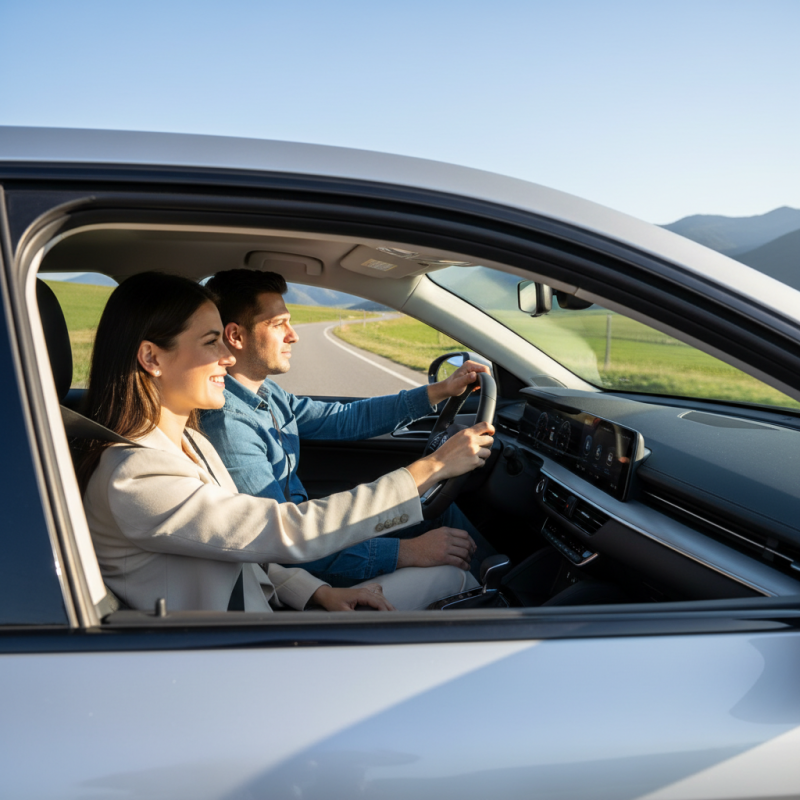
The Importance of a Test Drive in the Car Buying Process
When purchasing a car, a test drive is often underestimated yet immensely important. This hands-on experience allows buyers to evaluate how the vehicle feels on the road. Comfort and handling can only be truly assessed through actual driving. The sound of the engine, the responsiveness of the brakes, and the seats’ comfort level all play crucial roles in the decision-making process.
During a test drive, pay attention to your surroundings. Does the car provide adequate visibility? Are you comfortable with the controls? This moment is not just about the vehicle's performance; it's about how it fits your lifestyle. You might discover that what looks great on paper does not meet your practical needs. It’s essential to consider your daily driving conditions and habits.
Test drives also unveil potential issues. Unusual noises or vibrations may indicate problems that a brochure cannot reveal. Walking away after a brief glance can lead to buyer’s remorse later. Spending time with the car helps build a trustworthy relationship. Take the time to ask questions during your test drive. Engage with the salesperson and discuss your observations. This dialogue can enhance your understanding and guide you toward a better purchase decision.
Statistics on Consumer Preferences for Test Driving Vehicles
Test driving has become a crucial step for many car buyers. Statistics reveal that around 70% of consumers prioritize a test drive before making a purchase. This hands-on experience allows buyers to gauge comfort and ergonomics. It's not just about how a car looks; it’s also about how it feels while driving. Many find that their initial preferences change once they are behind the wheel.
Consumers often cite performance and handling as key factors. Around 85% expressed that a test drive significantly influences their decision-making process. However, it is surprising that some still skip this vital step. Relying solely on reviews or specifications may lead to regret later. Additionally, buyers should consider how different models handle in various conditions. The thrill of acceleration or the comfort of a smooth ride can vary widely.
Moreover, an informed choice often stems from direct experience. Many drivers report that the sound and feel of the car can make or break the experience. In fact, about 60% admit to feeling more confident after a test drive. Everyone's preferences are unique. Failing to test drive might lead to dissatisfaction later. It's essential to reflect on what truly matters in a vehicle. Understanding personal needs may prevent future regrets.
Impact of Test Drives on Buyer Confidence and Decision-Making
Taking a test drive is more than just a casual stroll around the block. It plays a crucial role in shaping buyer confidence. When drivers get behind the wheel, they experience the vehicle firsthand. They can assess the car's comfort, handling, and features. This direct interaction allows buyers to determine if the car meets their expectations.
Moreover, the act of test driving reduces uncertainty. Buyers can identify any potential issues, such as visibility or noise. The decision-making process becomes clearer as they feel the vehicle’s performance. It turns abstract specs into reality. This grounding in experience often leads to a more confident purchase.
Yet, not all test drives go smoothly. Some drivers may overanalyze minor details. They might fixate on something unimportant, which can cloud their judgment. Others may rush through the drive, missing vital insights. Reflecting on these moments can enhance future buying experiences. Paying attention during a test drive can greatly influence overall satisfaction.
Common Aspects of Vehicles Evaluated During Test Drives
Taking a test drive is a crucial step for car buyers. It allows you to experience a vehicle firsthand. During a test drive, you evaluate various aspects of the car. Here are some key areas to focus on.
First, consider comfort. Adjust the seat and steering wheel. Check if you feel relaxed while driving. Pay attention to the visibility too. If your view is obstructed, it might affect safety.
Next, assess the car's performance. How does the engine respond? Is acceleration smooth? Test the brakes and steering. Nervousness on the road can indicate potential issues with the vehicle.
Finally, listen for unusual sounds during the drive. A quiet ride is a good sign. However, strange noises could signify problems.
Tips: Always take a test route that includes various road conditions. This helps you understand the vehicle better. Don’t hesitate to express concerns to the salesperson. Your comfort is paramount. Remember, it’s okay if a car doesn’t feel right. Keep searching until you find a perfect match.
How Test Drives Can Reveal Hidden Car Issues and Features
Taking a test drive is crucial for every car buyer. It offers an opportunity to explore a vehicle beyond its specifications. A significant report by the National Automobile Dealers Association indicates that over 70% of potential buyers decide based on their test drive experience. The tactile engagement with the car reveals how it performs on the road.
During the drive, buyers might notice issues like strange noises or handling quirks. These hidden problems can remain unnoticed during static inspections. A study from J.D. Power found that 25% of new car owners identified post-purchase issues that could have been caught during a test drive. Features also become more apparent during a drive. The comfort of seats, ease of operation, and visibility can only be evaluated firsthand.
However, many buyers often overlook this vital step. A common pitfall is assuming that online research suffices. Real-world experiences provide insights that online reviews may miss. Sometimes, the allure of a vehicle's design can cloud judgment about its practicality. Buyers should reflect on their experience, considering comfort and performance side by side.
Why is Taking a Test Drive Essential for Car Buyers? - How Test Drives Can Reveal Hidden Car Issues and Features
| Feature/Issue |
Description |
Importance of Test Drive |
| Engine Performance |
Test how the engine responds during acceleration and deceleration. |
Ensures the engine runs smoothly and no unusual noises are present. |
| Braking System |
Check the responsiveness and feel of the brakes. |
Critical for safety; can indicate issues with brake pads or fluid. |
| Suspension |
Evaluate the ride comfort and handling during turns. |
Reveals potential issues with shock absorbers and struts. |
| Interior Features |
Test functionality of infotainment system, air conditioning, and other controls. |
Ensures all features work properly and meet expectations. |
| Visibility |
Assess visibility from driver’s seat and effectiveness of mirrors. |
Critical for safe driving; poor visibility can lead to accidents. |
FAQS
: A test drive allows buyers to feel the car's comfort and handling on the road.
Pay attention to comfort, visibility, and the vehicle's performance during the drive.
Yes, a car may look great but not meet your practical needs when driving it.
Take the time to test drive. Consider how it fits your lifestyle and daily driving conditions.
Unusual noises could indicate potential issues. It's essential to listen carefully while driving.
About 60% of drivers feel more confident after experiencing a test drive firsthand.
Yes, surprisingly, some buyers still skip this step, which may lead to regret later.
If the car doesn't feel right, it’s okay. Keep searching until you find a better fit.
Engaging with the salesperson can clarify doubts and enhance understanding of the vehicle.
Test the car in varied conditions. This reveals performance aspects you may overlook otherwise.
Conclusion
Taking a test drive is an essential step in the car buying process, as it allows potential buyers to evaluate a vehicle's performance, comfort, and handling firsthand. Statistics indicate that a significant majority of consumers prioritize test drives, often viewing them as a crucial factor in their purchasing decisions. Why is a test drive so important? It not only boosts buyer confidence but also aids in decision-making by allowing buyers to assess various aspects of the vehicle, such as acceleration, braking, and overall feel.
During a test drive, prospective buyers can uncover hidden issues and features that may not be apparent during a static inspection. This hands-on experience helps to ensure that the vehicle meets their expectations and lifestyle needs. In summary, the test drive serves as a vital tool in making informed decisions, enhancing both satisfaction and peace of mind in the car buying journey.

 Pixy Car