When purchasing used car insurance, many factors influence costs. Understanding what affects used car insurance cost can help consumers make informed decisions. Age, vehicle make and model, and driving history all play significant roles. Older cars may have lower insurance rates due to their market value. However, high-performance vehicles often attract higher premiums.
Another important factor is the driver’s location. Urban areas typically see higher insurance rates than rural regions. This difference arises from higher accident rates and theft occurrences in cities. Moreover, personal driving records significantly impact costs. A clean record may lead to discounts, while accidents and violations can raise premiums.
It's essential to consider these factors carefully. In some cases, drivers might overlook how simple changes can reduce their premiums. They may not realize the importance of shopping around for quotes from different insurers. Exploring these aspects can lead to better financial outcomes for used car owners. Such knowledge allows them to navigate the insurance market effectively.
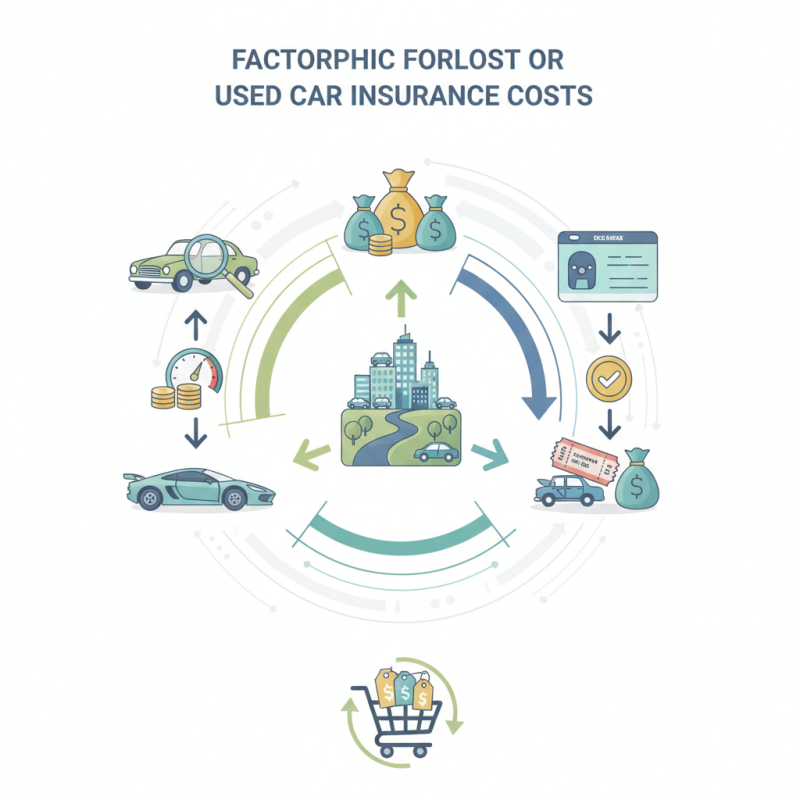
When considering the cost of used car insurance, the age and condition of the vehicle play significant roles. An older car typically has a lower market value. This reduction can lead to lower premiums. However, age also brings concerns like wear and tear. Insurers often view older vehicles as riskier. That’s because they may lack advanced safety features.
Condition has a direct impact as well. A well-maintained car with a solid service history can attract better insurance rates. In contrast, a vehicle with a history of accidents might raise premium levels. Insurers assess body and engine condition closely. Minor dents or scratches might not matter much. Yet, ongoing mechanical issues could signal higher risks. Car history reports often reveal crucial insights into the vehicle's past. This data can affect your insurance rate unexpectedly.
It’s essential to reflect on the impact of these factors. Buyers may underestimate how much a car's condition and age affect coverage costs. Some may opt for cheap, older cars without considering these long-term insurance implications. Understanding these elements can lead to informed decisions. Ultimately, an educated choice may save money in the long run.
When considering the cost of used car insurance, the make and model of the vehicle play a significant role. Insurance companies assess the accident frequency and safety ratings of different models. For instance, cars known for high reliability often attract lower premiums. In contrast, sporty vehicles, which tend to be driven aggressively, often result in higher insurance costs. Drivers may not realize these trends can markedly impact their premiums.
Moreover, the age and repair costs associated with specific models influence the rates. Some cars have expensive parts, making repairs costly. This factor can elevate insurance rates significantly. Buyers may feel overwhelmed by these complexities when selecting a used vehicle. They might not fully appreciate how their choice can affect future expenses.
Lastly, understanding these elements is crucial. Research and awareness can mitigate surprises in the insurance process. It's beneficial to compare different models and their associated insurance costs. Gathering data before making a purchase can lead to better decisions. The landscape of used car insurance is intricate, and gaining insight is essential for financial planning.
When considering car insurance, your driving history is crucial.
Insurance companies assess risk based on past behavior.
A clean record
usually leads to lower premiums. Conversely, accidents or violations can significantly raise costs.
For example, a single speeding ticket might increase your rates by up to 20%.
Experience also plays a vital role in determining insurance costs.
New drivers might face higher rates. They lack the road experience that insurers prefer.
On the other hand, seasoned drivers often showcase safer driving habits.
Insurers recognize this and typically reward them with lower premiums.
Tips: Maintain a clean driving record.
Avoid unnecessary risks on the road.
Regularly review your policy and explore discounts for long-term, safe driving.
A simple reassessment could save you money.
When it comes to used car insurance, your geographic location plays a significant role in determining rates. Urban areas often face higher insurance costs. The density of traffic, crime rates, and local weather conditions all contribute to this. For example, cities with dense populations may have more accidents, which can drive up premiums.
Rural areas might enjoy lower rates due to fewer drivers. However, these areas can have other challenges, such as limited access to repair shops. This might lead to higher costs in the event of a claim, impacting how much insurance you ultimately pay.
Tips: Always compare quotes from different insurers. Each company evaluates risk differently. You might discover substantial price differences based on where you live. Don't overlook the local insurance regulations either; they can affect your coverage options and costs. Consider the type of vehicle you drive. Vehicles that are more susceptible to theft might have higher premiums in certain regions. Assess your car's safety ratings and adjust accordingly.
| Geographic Location | Average Annual Premium ($) | Population Density (per sq. mile) | Crime Rate (per 1,000 residents) | Weather Impact Score (1-10) |
|---|---|---|---|---|
| California | $1,200 | 256 | 3.5 | 8 |
| Texas | $1,000 | 105 | 4.2 | 7 |
| Florida | $1,500 | 394 | 5.0 | 9 |
| New York | $1,800 | 27,000 | 6.1 | 6 |
| Illinois | $1,100 | 231 | 4.0 | 5 |
When evaluating used car insurance, it’s crucial to assess various insurance providers. Different companies can offer distinct policies, leading to significant cost fluctuations. Factors like the car’s age, model, and safety ratings can influence premiums. Some insurers might offer better rates for certain brands. It's essential to compare the coverage details of each provider.
Additionally, the location can play a major role in determining costs. Urban environments typically have higher theft rates, which can increase premiums. Conversely, rural areas might enjoy lower rates due to decreased risks. However, not every provider accounts for these regional differences equally. Some may focus more on individual driver profiles, such as driving history and credit scores, which can cause unexpected discrepancies.
It’s wise for buyers to request quotes from multiple sources. This enables a clearer view of the market. Insurers may also offer discounts for bundled coverage or low mileage. Yet, it’s vital to scrutinize the fine print. Not all discounts apply universally, and some may have hidden conditions. Understanding these nuances is key to making an informed decision.
: Insurance companies assess risk based on your past behavior. A clean record can lead to lower premiums.
One speeding ticket might increase your insurance rates by up to 20%. This affects your overall cost.
Yes, new drivers often face higher rates due to lack of road experience, which insurers prefer.
Urban areas often have higher insurance costs due to traffic density, crime rates, and local weather conditions.
Rural areas have fewer drivers, leading to fewer accidents. However, claims may be more costly due to limited services.
Yes, different companies evaluate risk differently. Comparing quotes can reveal substantial price differences.
Vehicles with better safety ratings may qualify for lower premiums. Assess your car's safety features regularly.
Yes, some discounts may have hidden conditions. It's essential to read the fine print before making decisions.
Yes, bundling coverage can often lead to discounts. However, make sure you understand all terms involved.
Regularly review your policy and driving habits. Avoid unnecessary risks and reassess coverage options to find savings.
The cost of used car insurance is influenced by several key factors. First and foremost, the age and condition of the vehicle play a significant role, as older or poorly maintained cars typically incur higher premiums due to increased risk. Additionally, the make and model of the vehicle can affect insurance rates, with certain cars being more expensive to insure based on their safety ratings and repair costs.
Another critical aspect is the driver’s history and experience; individuals with a clean driving record and more experience often qualify for lower rates. Furthermore, geographic location significantly impacts insurance costs, as areas with higher rates of accidents or theft may lead to increased premiums. Understanding these elements is essential for potential buyers to grasp what affects used car insurance cost and to make informed decisions when selecting insurance providers.

Pixy Car