When considering a used car, many buyers overlook potential pitfalls. What are the risks of buying a used car? Understanding these risks is crucial for making an informed decision. A used car might seem like a bargain, but hidden issues can lead to significant costs later on.
First, the history of a used car can be murky. Previous accidents, water damage, or undisclosed problems may not be visible at first glance. A thorough background check can unveil these concerns. Relying solely on a seller's word is risky. Personal inspection often reveals more than a verbal description.
Furthermore, the reliability of a used car can be uncertain. Some models may have known mechanical issues that the owner may not disclose. Purchasing from reputable dealerships can mitigate this risk. It’s essential to weigh the risks versus rewards carefully. While a used car can be economical, the potential hidden costs warrant careful scrutiny. These factors remind us that diligence in research is vital to avoid future regrets.
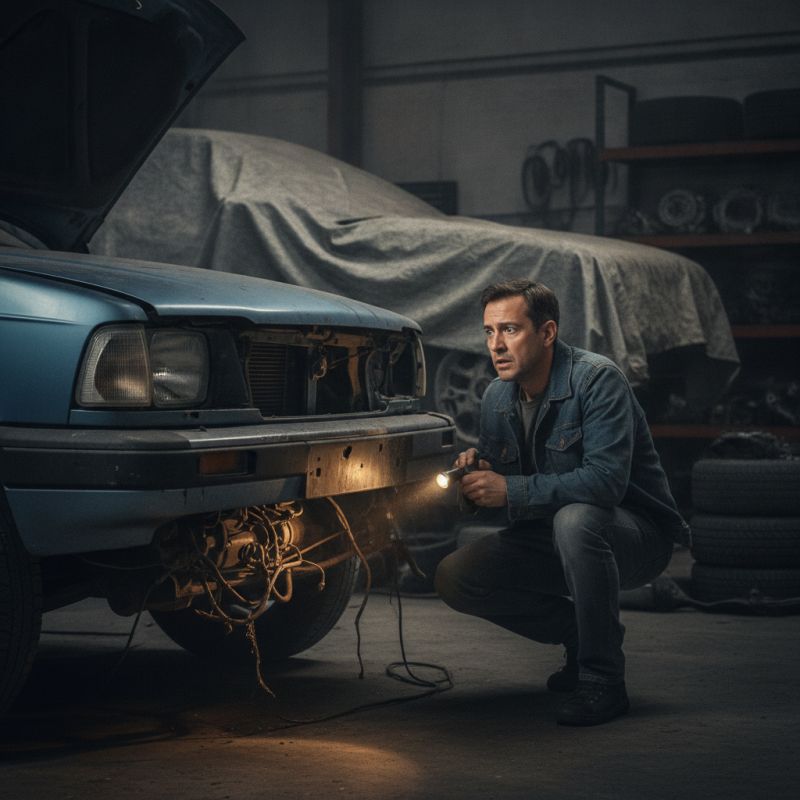
When buying a used car, understanding common mechanical issues is crucial. According to a report by the National Highway Traffic Safety Administration, about 45% of used cars have some kind of defect. Problems with the engine are among the most frequent. Low oil levels or worn-out timing belts can lead to costly repairs. It's essential to inspect these components thoroughly.
Brakes are another area to closely monitor. A study from CarMD found that brake issues rank in the top five mechanics' visits for used cars. Squeaking sounds or longer stopping distances can indicate problems. Ignoring these signs can compromise safety and lead to significant expenses later on.
Tires also require inspection; uneven wear can hint at alignment issues.
Transmission troubles are often a hidden menace. Data from Consumer Reports indicates that one in five used vehicles has transmission-related concerns. Slipping gears or delayed responses are warning signs. These issues can escalate quickly, and repair costs can reach thousands. Buyers must be diligent and consider a professional inspection before finalizing a purchase.
When considering the purchase of a used car, understanding the vehicle's history is crucial. Studies show that 1 in 3 used cars have hidden problems. A comprehensive vehicle history report can reveal past accidents, title issues, and odometer discrepancies. This information is vital for making an informed decision.
Many buyers overlook the impact of a vehicle's history. Reports from reputable sources indicate that cars with clean histories can retain their value better. Investing in a history report could save thousands in unforeseen repairs. However, some reports may lack thorough detail, raising questions about their reliability.
Vehicle history reports can be incredibly useful, but they are not infallible. In some cases, buyers discover that key data is missing. A 2022 survey found that 10% of consumers faced surprises after purchase. This highlights the importance of inspecting the vehicle in person, alongside the report. It’s essential to view a used car not just as a financial transaction, but as a potential minefield of hidden risks.
Understanding the true cost of ownership for used vehicles goes beyond the purchase price. According to the American Automobile Association (AAA), vehicle ownership includes ongoing expenses like fuel, insurance, and maintenance. In fact, on average, a car owner spends around $9,500 annually on these costs.
The hidden costs can add up quickly. Maintenance fees can average $1,200 per year for a used car, depending on its condition and age. Repairs can be unexpected, leading to financial strain. An older vehicle might require more frequent service, increasing costs further. Additionally, insurance rates for used cars can vary widely. Some drivers report premiums costing upward of $1,000 annually.
Fuel efficiency is another significant factor. A less fuel-efficient model can lead to substantial expenses over time. With gas prices fluctuating, these costs could exceed expectations. It’s crucial to assess the car's MPG rating before purchase.
Shopping for a used car often involves balancing these ongoing costs against the initial purchase price, which can be deceivingly low. Reflecting on these aspects can provide a clearer picture of true ownership costs.
When evaluating a used car, start by inspecting its exterior and interior closely. Look for rust, scratches, or dents on the body. These could indicate previous accidents. Check the tires; uneven wear might signal alignment issues. Pay attention to any unusual noises when opening doors or the trunk. A careful look can reveal hidden problems.
Next, check the engine. Use the dipstick to assess oil quality. If it appears dirty or smells burnt, this is a warning sign. Look at fluid levels too, including coolant and brake fluid. A leaking engine could lead to costly repairs. Don’t forget to test the lights, brakes, and electronics. Flicking switches can expose malfunctioning components.
Finally, take it for a test drive. Listen for sounds that might indicate trouble. Does the car pull to one side? Is the steering responsive? You need to feel comfortable driving it. Trust your instincts. If something feels off, it’s worth considering other options. Taking time to evaluate these details can prevent future headaches.
Purchasing a used car can present various legal and financial risks. According to a report by the National Highway Traffic Safety Administration, roughly 25% of used cars may have hidden defects. A buyer could face hefty repair bills if these issues aren’t disclosed. This risk emphasizes the need for thorough inspections and obtaining a vehicle history report before finalizing any purchase.
Financial liabilities also pose a significant concern. The Consumer Financial Protection Bureau (CFPB) indicates that buyers often underestimate the costs associated with used cars. Additional expenses, such as taxes, registration fees, and potential loan interests, can compound the financial burden. Furthermore, if the previous owner defaulted on a loan, collectors may come after the new buyer. It's crucial to validate the title and ensure there are no liens on the vehicle before proceeding.
Legal troubles may arise if the seller misrepresents the vehicle's condition. The Federal Trade Commission warns that deceptive practices are common in used car sales. Even minor misrepresentations can lead to costly lawsuits or disputes. Buyers should be prepared for the possibility of needing legal assistance if issues arise. Always consider the potential risks involved and take proactive steps to protect yourself in this complex transaction.
: Engine problems, brake issues, and transmission troubles are common. It's essential to inspect these components thoroughly.
Listen for squeaking sounds or notice longer stopping distances. These can indicate potential brake problems.
It reveals past accidents, title issues, and odometer discrepancies. This information helps you make informed decisions.
Some reports may lack detailed information. Buyers sometimes find missing data, which can lead to surprises later.
Inspect the exterior for rust and scratches. Check the tires for uneven wear, and listen for unusual noises.
Check the oil quality using a dipstick. Look for leaks in the engine and assess fluid levels carefully.
A test drive is crucial. Trust your instincts if something feels off or if the car pulls to one side.
Yes, taking time to evaluate the car can help identify problems early and prevent costly repairs later on.
No, studies suggest that 1 in 3 used cars has hidden issues. Thorough inspections and history checks are essential.
Trust your instincts. If something feels wrong, consider exploring other options or seeking a professional inspection.
When considering the question, "What are the risks of buying a used car?", it's crucial to be aware of various factors that can impact your purchase. Common mechanical issues, such as hidden engine problems or transmission failures, can lead to unexpected expenses. Additionally, obtaining a comprehensive vehicle history report is essential, as it reveals past accidents, service records, and title status, aiding buyers in making informed decisions.
Furthermore, understanding the true cost of ownership entails evaluating not just the purchase price but also ongoing maintenance, insurance, and potential repairs. Assessing a used car's condition before buying involves a thorough inspection and possibly a mechanic's evaluation to identify any red flags. Lastly, there are legal and financial risks tied to purchasing used vehicles, including dealing with misrepresented information or potential liens. Awareness of these factors can help mitigate risks and lead to a more successful used car purchase.

Pixy Car