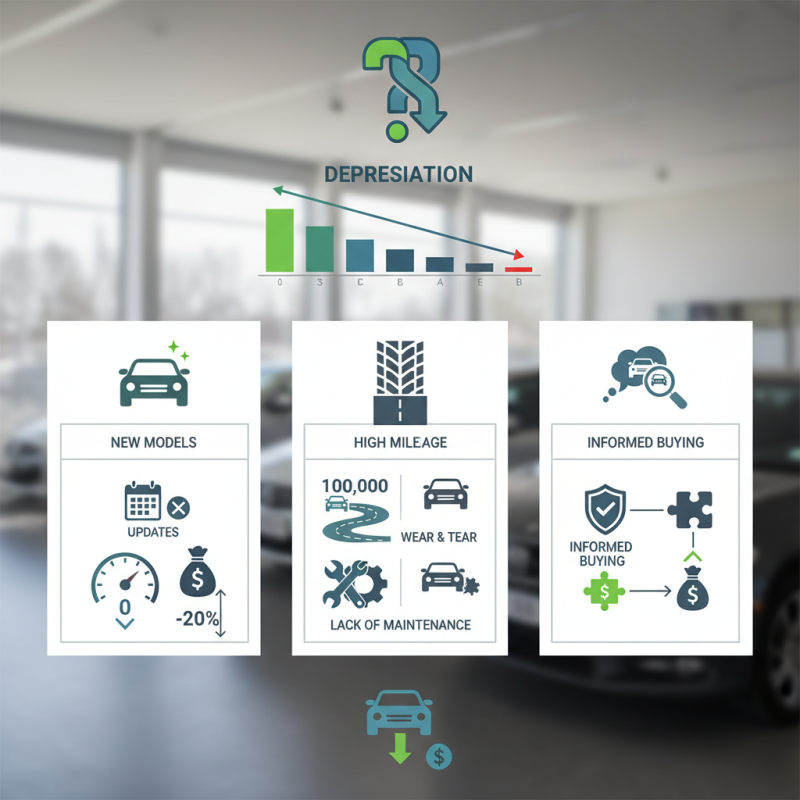
When considering the automotive market, one question often arises: "Why do used cars depreciate so fast?" Understanding this phenomenon is crucial for buyers and sellers alike. Vehicles are among the most significant investments, yet they lose value rapidly, particularly in the first few years. Factors influencing this steep decline include the introduction of new models, mileage, and overall wear and tear.
Each year, new features and updated designs emerge, making older models seem outdated. Additionally, the moment a new car is driven off the lot, it can lose up to 20% of its value. This immediate depreciation can be disheartening for those looking to sell. Some may overlook these essential details.
Moreover, high mileage and the car’s overall condition play a pivotal role in valuing a used vehicle. Routine maintenance can mitigate some depreciation, yet many owners neglect this responsibility. Realizing the reasons behind depreciation can empower buyers, allowing them to make informed decisions. Understanding why used cars lose value so quickly is essential in navigating this complex market.
Understanding Depreciation Rates in the Used Car Market
The used car market is often unpredictable, driven by varying depreciation rates. Depreciation is the decline in a car's value over time, primarily influenced by factors like age, mileage, and condition. Typically, a vehicle can lose 20% to 30% of its value within the first year alone. As soon as it leaves the dealership, it’s no longer “new,” and its worth declines rapidly.
Mileage plays a significant role in determining a used car's value. A car with high mileage tends to be perceived as worn out, which affects its market price. Regular use leads to more wear and tear, causing buyers to negotiate lower prices. Conversely, a well-maintained car with low mileage can retain its value better. Nonetheless, maintenance isn’t foolproof—invisible issues can still arise after the sale.
Market demand also impacts depreciation. When there's a surplus of used cars, prices drop significantly. Economic factors can further exacerbate this decline. Buyers may prioritize lower-priced models due to budget constraints, shifting market trends. These elements create a complex landscape for anyone hoping to buy or sell a used vehicle. Understanding these nuances can be challenging but essential for both buyers and sellers in the used car market.
Factors Influencing Rapid Value Loss in Used Vehicles
Used cars depreciate rapidly, often losing 20% to 30% of their value within the first year alone. This sharp decline can be attributed to several factors. One key reason is the initial higher registration costs that hit new car buyers. As soon as a car is driven off the lot, it becomes a used vehicle in the eyes of the market, triggering a significant drop in its value.
Mileage plays a crucial role too. According to industry reports, vehicles that exceed 15,000 miles annually see a substantial depreciation in value. Buyers often perceive higher mileage as a sign of wear and tear. Additionally, the availability of cheaper alternatives in the used market can diminish demand for specific models and expedite value loss.
Moreover, market fluctuations and changing consumer preferences contribute to depreciation. Vehicles that do not align with current technologies or fuel-efficiency standards can drop in value more quickly. Data shows that eco-friendly cars tend to hold their value longer, while traditional gas models face steeper declines. This reality reflects the dynamic nature of the automotive market, where understanding factors behind value loss becomes essential for both buyers and sellers.
Impact of Mileage and Condition on Used Car Valuation
When considering used cars, two primary factors significantly impact their value: mileage and condition.
High mileage is often viewed negatively. Cars that have been driven extensively tend to suffer from wear and tear. Components may degrade faster, leading to potential repairs. Buyers generally prefer vehicles with lower mileage for reliability and longevity.
The condition of the car also plays a crucial role in its valuation. A well-maintained vehicle, even with higher mileage, can still be appealing.
Regular maintenance records and a clean exterior can boost its worth. However, a car with minor cosmetic issues or mechanical problems may see a steep drop in price.
Buyers are wary of additional costs incurred from neglected maintenance.
Tips: Keep detailed maintenance records. Address minor repairs promptly. Detailing the car can make a significant difference in its perceived value.
Consider getting a professional inspection to identify issues before selling. A sound investment now may save future headaches.
This proactive approach enhances resale value, making a difference when it's time to let go.
The Role of Market Demand and Supply Dynamics in Depreciation
Market demand and supply dynamics play a crucial role in the rapid depreciation of used cars. When new models are released, many consumers rush to buy them. This creates an oversupply of used vehicles, pushing their prices down. For instance, a car that was worth $25,000 a year ago might drop to $20,000 or less within months. The introduction of new technology often drives buyers to prefer the latest models.
Another factor is the changing preferences of consumers. Trends in fuel efficiency, safety features, and entertainment systems influence purchasing decisions. A vehicle that lacks modern technology may quickly become undesirable, further lowering its market value. Moreover, economic fluctuations can affect consumer buying power, leading to sudden shifts in demand.
While depreciation is a natural part of a car's life cycle, certain brands and models fare better than others. Research shows that some vehicles retain value better than their peers. However, this is not always guaranteed. Buyers need to consider their choices carefully. Resale value often depends on multiple factors, including condition, mileage, and market perception. Ultimately, understanding these dynamics helps buyers make informed decisions in a rapidly changing automotive landscape.
Economic Trends and Their Effect on Used Car Values Over Time
Used cars tend to depreciate rapidly due to various economic factors. Economic trends play a crucial role in shaping the value of these vehicles. For instance, when new car sales soar, many people opt for new models, leaving a glut of used cars on the market. This oversupply drives down prices. A significant drop in demand can quickly affect values, making it harder for sellers to get a fair price.
Inflation also impacts used car values. As living costs rise, consumers may reassess their budgets. With limited disposable income, they may hold off on purchases, intensifying the competition among sellers. Market fluctuations, influenced by interest rates, also affect financing options for potential buyers. Higher rates can discourage buyers from considering used vehicles, subsequently impacting demand and pricing.
Additionally, advancements in technology can lead to rapid obsolescence. Today's cars come equipped with features that quickly become industry standards. As a result, older models may seem outdated and lose appeal. This technological shift contributes to the accelerated decline in used car values. There’s an uneasy balance that buyers and sellers must navigate in this ever-changing market.
Used Cars Depreciation Over Time
FAQS
: Depreciation is the decline in a car's value over time, affected by age, mileage, and condition.
A vehicle can lose about 20% to 30% of its value within the first year after purchase.
High mileage suggests more wear and tear, leading buyers to negotiate lower prices for the vehicle.
Yes, a well-maintained high-mileage car can appeal to buyers if it has good records and condition.
An oversupply of used cars typically causes prices to drop significantly due to low demand.
New models can create an oversupply of used vehicles, resulting in quick price reductions for older models.
Yes, minor cosmetic and mechanical problems can greatly decrease a car’s resale value, discouraging potential buyers.
Keeping detailed maintenance records, addressing repairs, and cleaning the car can boost perceived value.
Trends in fuel efficiency, safety, and technology can make older cars less desirable, lowering their value.
Yes, some models are known to maintain their value better, but it's crucial to consider various factors.
Conclusion
Used cars depreciate rapidly due to several interconnected factors. Understanding depreciation rates in the used car market reveals that vehicles typically lose a significant portion of their value within the first few years. Key influences include mileage and overall condition, which play critical roles in determining a car's market value. As mileage increases and wear and tear become evident, the perceived worth of the vehicle diminishes.
Additionally, market demand and supply dynamics heavily influence depreciation; when numerous used cars are available, prices tend to drop. Economic trends, such as shifts in consumer preferences or changes in the economy, can also significantly affect used car values over time. Overall, the question "Why do used cars depreciate so fast" can be answered through the interplay of these various factors that drive down their value.

 Pixy Car